
Essential Cold Weather Emergency Gear for Your Vehicle
Be Ready for the Unexpected
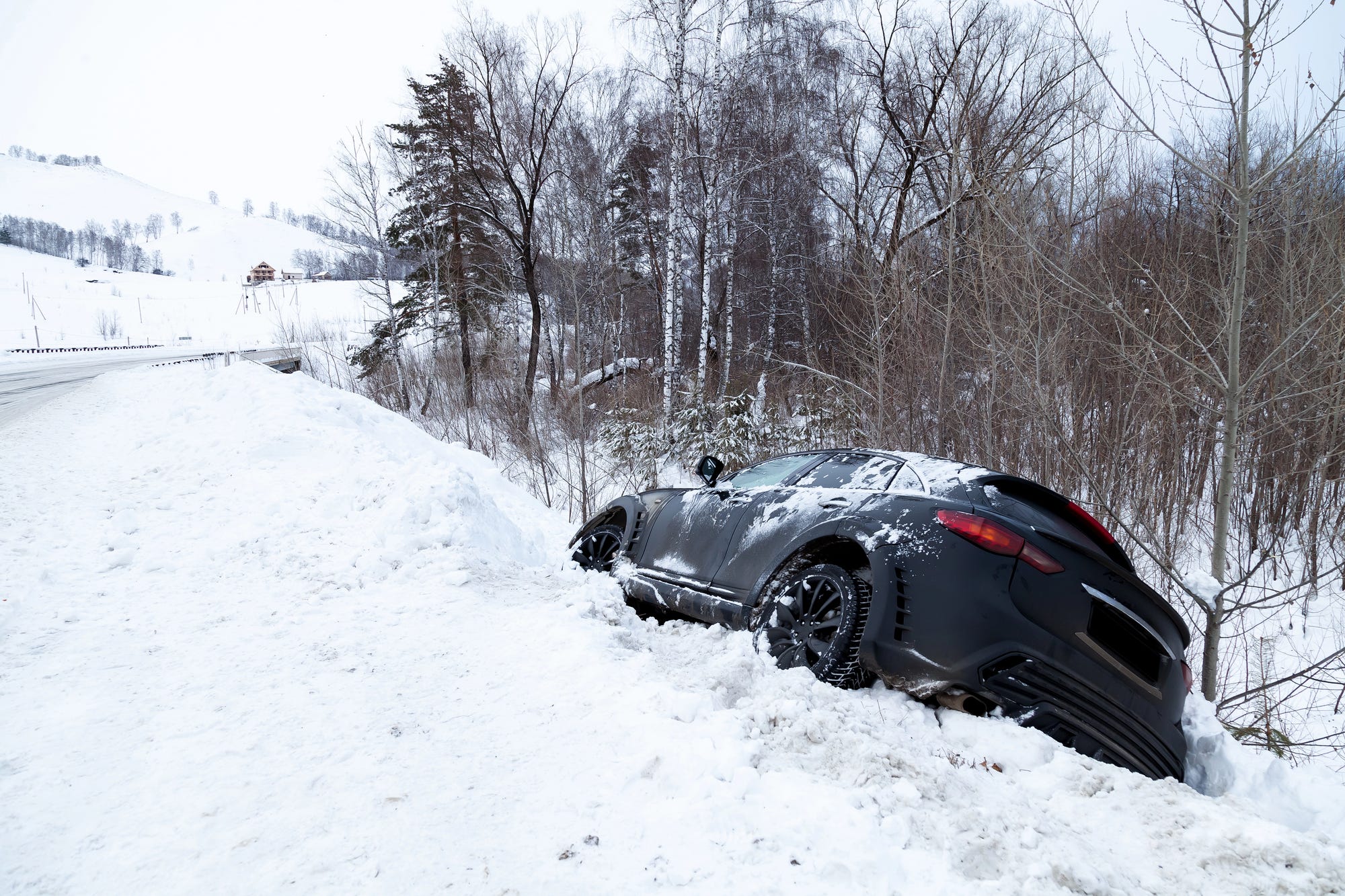
You’re driving home from work on a winter evening when your car suddenly slides off an icy road into a ditch. You’re not injured, but you’re stuck. Cell service is spotty. The temperature is dropping fast, and it’s going to be hours before help arrives – if it arrives tonight at all.
This scenario plays out more often than you’d think during winter months. Every year, people get stranded in their vehicles during cold weather emergencies. Some make it out fine because they were prepared. Others face serious consequences – frostbite, hypothermia, or worse – because they didn’t have the right gear on hand.
The difference between these outcomes often comes down to what you have in your vehicle right now. Not what you plan to put together someday, but what’s actually there when you need it. Let’s talk about the essential gear you should keep in your vehicle to survive a cold weather emergency.
Why Your Vehicle Needs a Winter Emergency Kit
You might think you don’t need to worry about this because you have a reliable vehicle, you stick to main roads, or you always tell someone where you’re going. That’s good practice, but it’s not enough.
Weather conditions can deteriorate rapidly. A minor mechanical issue becomes a major problem when it’s twenty degrees below zero. Even on well-traveled roads, help might not reach you for hours during a blizzard. Your cell phone might have no signal or a dead battery when you need it most.
The reality is that your vehicle can become your survival shelter in a cold weather emergency. But only if you’ve equipped it properly beforehand.
Staying Warm: Your First Priority
Hypothermia can set in faster than you think, especially if you’re wet or there’s wind. Your body loses heat quickly in a cold vehicle, and running your engine continuously isn’t always safe or even possible if you’re low on fuel.
You need multiple layers of warmth available. Pack heavy-duty winter blankets or sleeping bags rated for cold temperatures – at least one per person who regularly travels in your vehicle. Wool blankets are excellent because they retain warmth even when damp.
Don’t rely solely on blankets, though. Keep extra winter clothing in your vehicle including insulated gloves, warm hats, and thick socks. Even if you’re dressed appropriately when you leave home, these extras become critical if you get wet from snow or if you’re stranded overnight.
Hand warmers and foot warmers are lightweight additions that provide immediate relief. Keep several packages in your kit. They’re cheap insurance against frostbite and can make a massive difference in your comfort level while waiting for rescue.
Tools for Getting Unstuck
Sometimes the best survival strategy is not getting stuck in the first place – or getting yourself unstuck quickly if you do.
A quality folding shovel is essential. When you’re stuck in snow, you need to dig out around your tires to gain traction. A full-size shovel is ideal, but a good folding military-style shovel saves space while still being effective.
Pack traction aids for your tires. This could be sand, kitty litter, or specialized traction mats. When your tires are spinning on ice, these materials provide the grip you need to move forward. Carry enough to place under both drive wheels.
A sturdy ice scraper and snow brush belong in every winter vehicle kit. You might think you won’t need these because you park in a garage, but what about when you’re away from home? Being able to clear your windows and remove snow from your vehicle isn’t just about comfort – it’s about visibility and safety.
Communication and Signaling Equipment
When you’re stranded, you need ways to call for help and make yourself visible to rescuers.
Your cell phone is your primary communication tool, but it needs power. Keep a fully charged portable power bank in your vehicle and replace it seasonally to ensure it holds its charge. Better yet, keep a car phone charger that works even when your engine is off, or a hand-crank emergency radio with USB charging capability.
Flares or reflective triangles make your vehicle visible to other drivers and rescue personnel. Place them at appropriate distances from your vehicle to warn oncoming traffic and signal your location. LED flares are reusable and won’t expire like traditional road flares.
A flashlight with extra batteries is non-negotiable. You need reliable light to signal for help, work on your vehicle, or simply see what you’re doing in the dark. Choose LED flashlights for their long battery life and brightness. Keep a headlamp too – having your hands free makes every task easier.
Food and Water for Extended Waits
You might be stuck for many hours or even overnight. Your body burns more calories trying to stay warm in cold conditions, and dehydration happens faster than you think.
Keep non-perishable, high-calorie foods in your vehicle. Energy bars, nuts, dried fruit, and jerky are all excellent choices. They won’t freeze solid and they provide the calories your body needs to generate heat. Rotate these items seasonally to keep them fresh.
Water is trickier in freezing temperatures because it will freeze solid. Consider keeping water in smaller bottles that you can warm inside your coat if needed. Some people keep water bottles half-full to allow for expansion when frozen. You can also pack a metal container that you can use to melt snow using your vehicle’s heater or a small camping stove.
First Aid and Medications
Medical emergencies don’t stop happening just because you’re stranded. In fact, the stress of being stuck in cold weather can trigger or worsen certain conditions.
Your vehicle should have a comprehensive first aid kit. This goes beyond basic bandages – include items for treating hypothermia and frostbite, pain relievers, any prescription medications you might need, and supplies for treating cuts or sprains.
If you or family members take regular medications, keep at least a two-day supply in your vehicle kit. Temperature extremes can affect some medications, so check with your pharmacist about proper storage and rotate these items regularly.
Fire Starting and Heating Options
Having the ability to create warmth can be lifesaving, but it needs to be done safely.
Keep waterproof matches or a reliable lighter in your kit. A ferrocerium rod (fire steel) works in any weather condition and never runs out. Practice using it before you need it.
Small candles can provide surprising amounts of heat in an enclosed space like a vehicle, but never leave them unattended and ensure adequate ventilation to prevent carbon monoxide buildup. Some people keep a coffee can with a candle inside as an improvised heater.
If you’re in an extremely remote area, you might consider a small portable propane heater designed for safe indoor use. However, these require careful attention to ventilation and carbon monoxide risks.
Basic Repair and Utility Items
Minor mechanical issues can strand you, but having basic tools means you might be able to fix the problem or at least improve your situation.
Keep jumper cables or a portable jump starter in your vehicle. Dead batteries are common in cold weather. A portable jump starter means you don’t need another vehicle to get going again.
Basic tools like screwdrivers, pliers, duct tape, and zip ties can help with temporary repairs. A multi-tool combines several useful implements in one compact package.
Don’t forget a tow strap or chain. If someone stops to help, they’ll need something to pull you out with.
Putting It All Together
The best emergency kit is the one you actually have in your vehicle when you need it. Don’t wait until winter is in full swing to put this together. Do it now, before the next cold snap hits.
Keep your kit in a waterproof container or duffel bag in your trunk or cargo area where it won’t shift around but remains accessible. Check it at the beginning of each winter season to replace expired items, refresh food and water, and ensure everything is in working order.
Remember that the goal isn’t just survival – it’s maintaining your health and safety until help arrives or conditions improve. Every item in your kit serves that purpose. The small investment of time and money to prepare now could literally save your life or the lives of your passengers during a cold weather emergency.
Don’t be the person who wishes they had prepared better. Be the person who stays warm, fed, and safe because you took the time to equip your vehicle properly. Winter emergencies happen to everyone eventually – but the outcome depends entirely on whether you’re ready for them.