
Grey Man Home Security: Hardening Entry Points Without Looking Tactical
Part 3 - The Weak Points
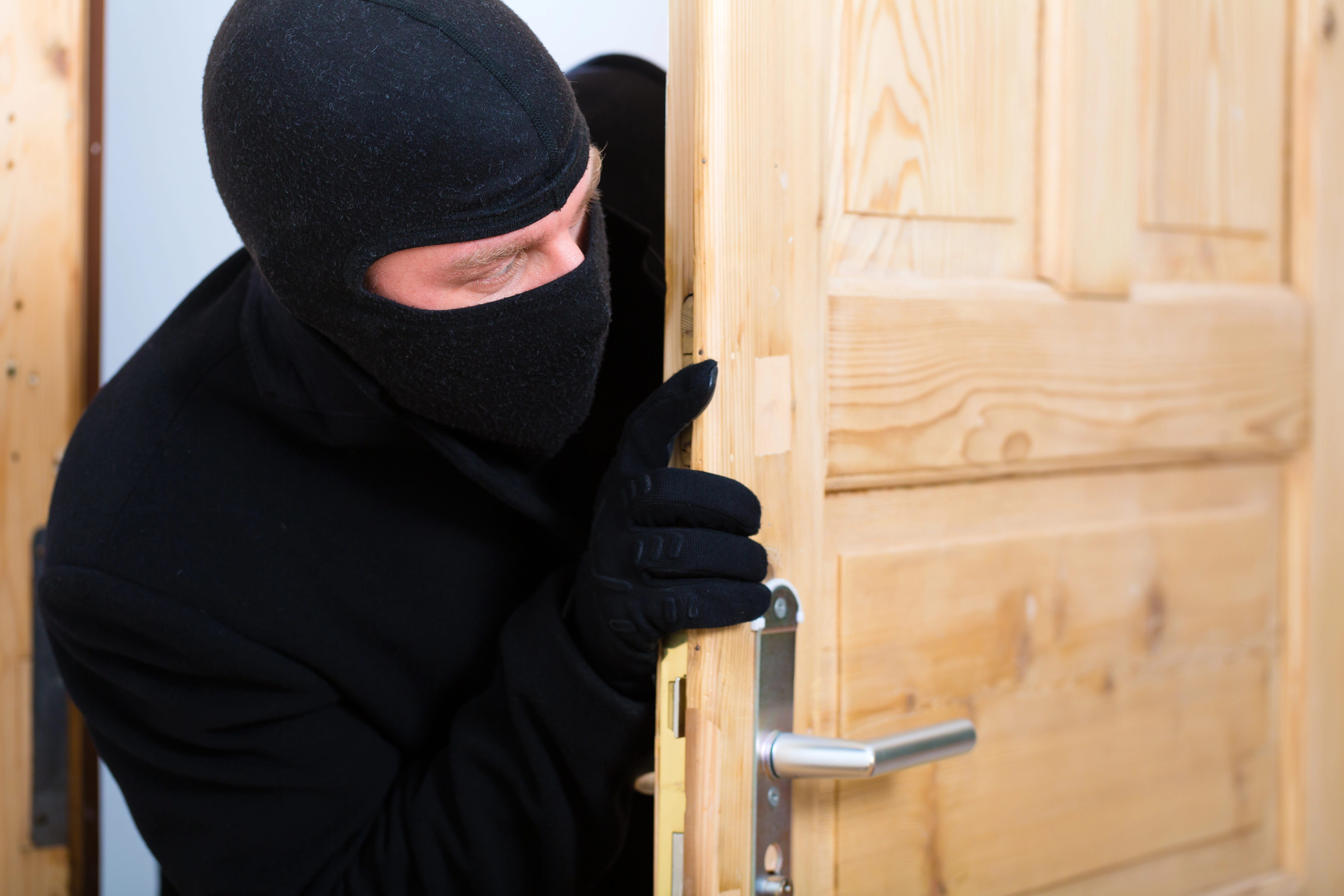
He told the insurance adjuster it took them less than a minute. The deadbolt was a good one - a brand name, solid brass, the kind that looks substantial in the hardware store. But the door frame it was mounted in was original to the house, which was built in 1974. One kick and the frame split like balsa wood. The deadbolt was still locked when they found it on the floor inside.
Most people, when they think about securing their home, think about locks.
That’s understandable. Locks are visible, tangible, and easy to shop for. You can stand in the hardware store aisle, read the packaging, pick the one with the most deadbolt certifications and the heaviest brass, and walk out feeling like you’ve done something meaningful.
And locks do matter. But a lock is only as strong as what it’s mounted in - and most residential door frames in America are not strong. They’re built for weather, not security. A standard door frame is pine, maybe an inch and a quarter thick, with a strike plate held in by half-inch screws that bite into nothing but more pine. Under a determined kick, that frame gives way in seconds regardless of how good the lock is.
This is Part 3 of our series on grey man home security. We’ve covered the philosophy and the curb audit. Now we’re getting into the physical - how to meaningfully harden the most vulnerable points of your home in ways that are effective, affordable, and completely invisible to anyone walking past.
Nothing in this article requires a contractor. Nothing looks tactical. And most of it costs less than a nice dinner out.
Understanding What You’re Actually Defending Against
Before we talk solutions, it helps to understand the problem clearly.
The vast majority of residential break-ins happen through doors - somewhere between 70 and 80 percent by most estimates. Of those, most involve either kicking in a door, manipulating a weak lock, or simply finding a door that wasn’t locked at all. Window entry is less common, slower, noisier, and draws more attention. Ground floor windows near hidden areas are the exception.
What this tells you is that your front door, back door, and any side entry into your home are your most important investments. And within those doors, the weakest point is almost always the frame and the strike plate - not the lock itself.
The goal of hardening isn’t to make entry impossible. It’s to make it take long enough that the risk of being seen or heard becomes unacceptable. Most opportunistic break-ins are abandoned if they can’t achieve entry in sixty to ninety seconds. Add two minutes to that timeline and you’ve effectively removed your home from consideration.
That’s achievable. Here’s how.
The Door Frame: Your Most Important Upgrade
If you do one thing from this entire series, make it this: reinforce your door frames.
Standard strike plates - the metal plate on the door frame where the bolt or latch seats - are typically held in with screws that are three quarters of an inch to an inch long. They go into the door jamb, which is a thin piece of finish wood, which is then backed by the actual rough frame behind it. Under a hard kick, that assembly fails immediately.
The fix is a heavy-gauge steel strike plate - sometimes called a door reinforcement kit or a door jamb armor plate - installed with three-inch screws that go past the jamb and deep into the structural framing of the house. These kits typically cover the full length of the door edge on the frame side, protecting the latch point, the deadbolt point, and sometimes the hinge side as well.
They cost between thirty and eighty dollars depending on the product. Installation requires a screwdriver and maybe twenty minutes. From outside, the door looks completely unchanged. But the difference in resistance to forced entry is dramatic - independent testing on reinforced frames shows they can withstand kicks that would destroy a standard frame instantly.
This is the definition of grey man security. Nobody can see it. Nobody knows it’s there. But it fundamentally changes what your door can withstand.
Deadbolts: What Actually Matters
Now that we’ve established the frame matters more than the lock, let’s talk about what makes a good deadbolt - because locks still matter, just not in the way most people think.
The key specifications are simple. You want a deadbolt with a one-inch throw - meaning the bolt extends a full inch into the strike plate when locked. You want hardened steel construction so it can’t be cut easily. And you want an ANSI Grade 1 rating, which is the highest residential security rating and indicates the lock has been tested against picking, drilling, and forced entry.
Brands like Schlage and Medeco consistently score well on independent testing. You don’t have to spend a fortune, but this is not the place to go with the cheapest option on the shelf.
One thing worth noting: smart locks and keypad locks have become popular, and many of them are genuinely convenient. If you use one, make sure it still has a physical deadbolt throw rather than relying entirely on an electronic latch. The convenience features are fine. The mechanical bolt is what actually holds the door.
Door Bar Locks and Secondary Security
A door bar lock - sometimes called a security bar or a barricade bar - is a simple device that braces against the floor and prevents a door from being forced open even if the lock fails. They’re most useful on doors that open inward, which is most residential doors.
The best ones have a rubber foot that grips the floor and a steel bar that seats into a bracket mounted low on the door. They’re adjustable for different door heights. When engaged, they make it essentially impossible to kick a door open because the force is transferred into the floor rather than the frame.
These are particularly useful for bedroom doors if you’re building a safe room strategy - which we’ll cover in Part 4 - and for rear or side entry doors that may get less frequent use. They’re inexpensive, completely hidden when not in use, and add a meaningful secondary layer on any inward-opening door.
Windows: The Overlooked Layer
Most residential windows have a single-point latch that can be defeated with a credit card, a thin pry tool, or sometimes just a firm push if the latch is worn. For ground floor windows, especially those on the side or rear of the home where they’re less visible from the street, this matters.
The easiest upgrades are also the most invisible. Window pins - a simple pin or nail drilled at a downward angle through the inner sash and partway into the outer sash - prevent a window from being opened even if the latch is defeated. They cost nothing, take five minutes to install, and are completely invisible from outside.
For sliding windows and patio doors, a cut-down wooden dowel or metal bar in the track serves the same function and is equally invisible. Sliding doors also benefit from a pin through the top track to prevent lifting - a vulnerability many people don’t know exists.
Window security film is worth mentioning separately. It’s a clear adhesive film applied to the interior of glass that holds the pane together if it’s broken. It doesn’t prevent glass from breaking, but it significantly slows entry through a broken window - rather than a clean hole, an intruder faces a sticky, sharp, resistant mess that makes noise and takes time. It also has the benefit of holding glass together in storms and accidents. From outside, treated windows look identical to untreated ones.
Garage Doors and Interior Garage Entry
The garage is a weak point that often gets overlooked because it doesn’t feel like an entry point. It is.
Attached garages have two vulnerabilities. The first is the overhead door itself - most can be opened in seconds with a coat hanger through the top gap to trip the emergency release. A zip tie through the hole in the emergency release lever prevents this without affecting normal operation. It costs nothing.
The second is the door between the garage and the interior of the home. This door should be treated with the same seriousness as an exterior door - solid core construction, a quality deadbolt, and a reinforced frame. In many homes it’s a hollow-core interior door with a basic latch. That’s a significant vulnerability that can be addressed relatively inexpensively.
The Invisible Fortress
None of what we’ve covered in this article is visible from the street. None of it announces itself. Your home looks exactly the same as it did before - ordinary, unremarkable, not worth a second glance.
But behind that ordinary exterior, your doors resist forced entry at a level most homes never achieve. Your windows have secondary locks that defeat casual manipulation. Your garage has had its most obvious bypass removed. And you’ve done all of it for less than the cost of a single security camera system, without a single sign in your yard or a single visible indicator that you’ve given any of this a thought.
That’s the grey man approach working exactly as intended. Quiet. Effective. Invisible.
The strongest security measure is the one nobody knows is there — especially the person who was looking for a way in.
Longer construction screws (even 3" will do) to replace the cheap ones holding hinges and strike plates will be enough secure the door jamb.
Wherever you see a screw holding up your door and/or locking device, replace it with longer screws. Nothing too crazy.
Also, adjust your window blinds to where you can see the floor or ground outside. This is an oldschool privacy trade. People can't see what they're walking into if the blinds are facing up against the observer.
Lights: When you're in a lit room it's difficult to see into a place that's dark, but while inside a dark room you can see everything in a lit room (there are tradeoffs, however). If you have outdoor flood lights, you can leave them on, but the risk is to make sure you have your indoor lights inside your main access points (doors into vestibules, sunrooms, etc) off and window blinds in the "looking down" position.
For what it's worth.
Good tips. It will be great if you could add photos though :)