
Grey Man Home Security: Why Looking Boring Is Your Best Defense
Part 1 — The Philosophy
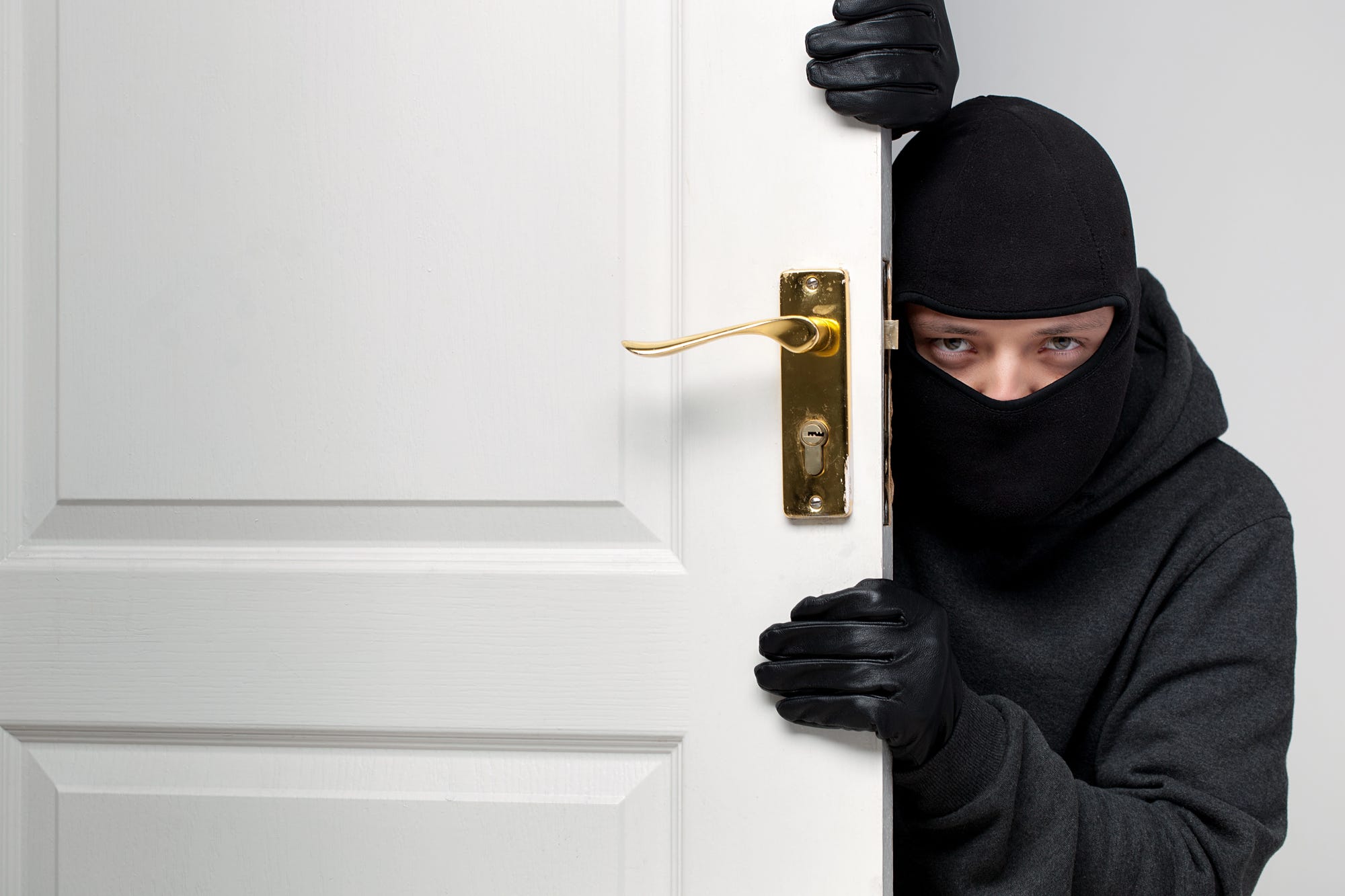
The house on the corner had a ring doorbell, a security company sign by the front door, and a bumper sticker on the truck in the driveway that said “Protected by Smith & Wesson.” The house two doors down had a loose screen on the side window, a dim porch light, and nothing on the door at all. Guess which one got broken into.
Most of us think about home security the wrong way.
We imagine security as something visible - deadbolts you can see, cameras with blinking red lights, signs in the yard announcing that someone is watching. We treat our homes like storefronts, advertising the fact that we’ve invested in protection. And somewhere in the back of our minds, we believe that visible security deters people. That if a would-be intruder sees the camera or reads the sign, they’ll move on.
Sometimes that’s true. But often, it backfires.
Here’s the uncomfortable reality: a yard sign telling the world your home is protected by a monitored alarm system also tells the world there’s something inside worth protecting. A tactical-looking camera mount and a heavy-duty padlock on a shed door signals that whatever is in that shed matters to you. And a bumper sticker bragging about your firearm collection is basically a shopping list for someone willing to break a window.
This is the first article in a six-part series on what I call grey man home security - a practical, low-profile approach to protecting your home and family without advertising that you’ve done it. Over the next few weeks we’re going to cover everything from your exterior and entry points to your interior plan and your digital footprint. But before any of that matters, we need to talk about the mindset behind it all.
Because grey man home security isn’t really about gear. It’s about how you think about your home.
What Is the Grey Man?
The grey man concept comes out of personal security and situational awareness circles. The idea is simple: the safest person in a crowd is the one nobody remembers seeing. They don’t dress to stand out. They don’t move in a way that draws attention. They’re present, they’re aware, and they’re completely unremarkable to everyone around them.
Applied to your home, the grey man philosophy means this: the safest house on the block is the one that gives nobody a reason to look twice.
Not the one with the most cameras. Not the one with the most locks. The one that, at a glance, looks like every other house on the street - well-kept enough not to look abandoned, ordinary enough not to signal wealth or resources, and quiet enough not to invite curiosity.
This isn’t about paranoia. It’s about understanding how opportunistic crime actually works.
The vast majority of residential break-ins are not sophisticated operations carried out by professional criminals who have studied your home for weeks. They are opportunistic. Someone is looking for an easy target - a quick way in, a quick way out, and something worth taking. They are scanning for signals. And your job, once you understand that, is to stop broadcasting them.
The Signals You’re Already Sending
Walk out to the street in front of your home and look back at it the way a stranger would.
What do you see?
If there are empty boxes from a big-screen TV or a new generator sitting next to your recycling bin, that’s a signal. If your truck has a political bumper sticker that tells people your values - and by extension, what you might own - that’s a signal. If your social media profile shows photos of your living room, your gun safe, your preps, or your neighborhood, those are signals too.
If your front door has four different locks on it but the door frame is original construction from 1987, that’s a signal of a different kind - it tells someone paying attention that you care about security but may not fully understand where the real weak points are.
None of these things make you a bad person or a careless one. Most of us have never been taught to think this way. We’re not trained to see our homes through the eyes of someone looking for an opportunity. But once you start seeing it, you can’t unsee it - and that’s actually a useful thing.
The grey man approach starts with a simple audit: what is my home saying, and to whom?
Visible Security vs. Effective Security
There’s a concept worth borrowing from the security industry called security theater. It refers to measures that look protective without providing much real protection. You’ve seen it at airports - procedures that create the appearance of safety more than the reality of it.
Homes have their own version of security theater.
A “Beware of Dog” sign with no dog. A dummy camera with a blinking LED. A security company sign in the yard when you don’t actually have a monitoring contract. These things may deter the most casual of opportunists, but they don’t hold up to any real scrutiny - and in some cases they actively work against you by signaling that you’ve thought about security, which implies there’s something worth securing.
Real security, by contrast, is quiet. It’s a reinforced door frame that looks exactly like every other door frame on the block but will resist a kick that would split a standard one in seconds. It’s a window lock that nobody can see from outside. It’s a neighborhood relationship that means someone notices when things look off on your street - not because there’s a formal watch program, but because you’ve made a point of knowing your neighbors.
Effective security doesn’t need to announce itself. In fact, the less it announces itself, the better it works.
The Attention Economy of Crime
Think about what a person casing a neighborhood is actually doing. They are running a mental cost-benefit analysis on every property they look at. How hard is this target? How long would it take to get in? How likely is it that someone will notice? What’s the probable payoff?
Your goal isn’t to build an impenetrable fortress. That’s not realistic, and frankly it’s not necessary. Your goal is to make sure that when someone runs that mental calculation on your home, the answer comes back: not worth it.
You do that by reducing visible signals of value. By eliminating obvious weak points. By making your home blend into its surroundings rather than stand out from them. And by building quiet layers of real security - things that work without advertising their presence.
A home that looks ordinary, well-maintained, and unremarkable is a home that gets passed over. Not always. Not by every possible threat. But by the vast majority of the opportunistic, low-effort crime that accounts for most residential break-ins.
That’s not a guarantee. Nothing in security is a guarantee. But it shifts the odds meaningfully in your favor, and it does it without turning your front yard into a tactical display or your house into something that makes your neighbors wonder what you’re hiding.
What This Series Will Cover
Over the next five articles, we’re going to get practical.
We’ll do a full curb audit - a walk-around your property that reveals what signals you’re broadcasting and how to change them. We’ll cover entry point hardening that’s effective without being obvious. We’ll talk about having a real plan inside the home for your family. We’ll get into the neighbor factor and why your community is one of your most underrated security assets. And we’ll finish with digital OPSEC - what your online life might be saying about your home, your schedule, and your preps.
Each piece is going to be actionable. No gear lists you have to buy. No tactical jargon. Just clear, practical steps that real families can take to quietly make their homes safer.
The grey man philosophy isn’t about fear. It’s about being thoughtful. It’s about understanding that the best defense is often the one nobody sees - including the person who might have been looking for an easy mark.
Your home doesn’t need to look like a fortress. It just needs to stop looking like an opportunity.
Security isn’t about making your home look hard to breach - it’s about making it look not worth breaching. There’s a difference, and that difference matters more than most people realize.
People should also make sure any exterior door is a solid door. I rented a house and it was broken into during the day by somebody smashing a hole in a hollow-core door to the garage.
Good suggestions in this article 👍